


 Deutsch
 English
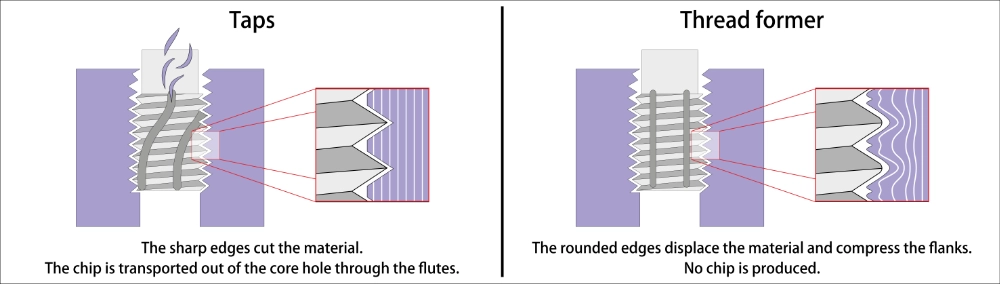
Tap vs. Thread Former - Advantages and Disadvantages of Both Systems
Related Products
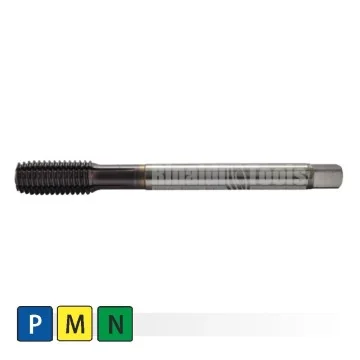
HSS-E Forming Tap - Metrical 60°
Technical data
| Tap type | Forming Tap |
| Gewinde | Metrical 60° |
| Workpiece Materials | Steel, Stainless Steel, NF-Materials |
| Grade | HSS-E TiALN |
| Packaging Unit | 1 pc. |
Dimensions
| D | P | L | L2 | L4 | d | K | Kl | |
| GF M2,5x0,45-HSS-E TiAlN | M2,5 | 0,45 | 50 | 9 | 15 | 2,8 | 2,1 | 5 |
| GF M3x0,5-HSS-E TiAlN | M3 | 0,5 | 56 | 11 | 18 | 3,5 | 2,7 | 6 |
| GF M3,5x0,6-HSS-E TiAlN | M3,5 | 0,6 | 56 | 12 | 20 | 4 | 3 | 6 |
| GF M4x0,7-HSS-E TiAlN | M4 | 0,7 | 63 | 13 | 21 | 4,5 | 3,4 | 6 |
| GF M4,5x0,75-HSS-E TiAlN | M4,5 | 0,75 | 70 | 14 | 25 | 6 | 4,9 | 8 |
| GF M5x0,8-HSS-E TiAlN | M5 | 0,8 | 70 | 15 | 25 | 6 | 4,9 | 8 |
| GF M6x1-HSS-E TiAlN | M6 | 1 | 80 | 17 | 30 | 6 | 4,9 | 8 |
| GF M8x1,25-HSS-E TiAlN | M8 | 1,25 | 90 | 20 | 35 | 8 | 6,2 | 9 |
| GF M10x1,5-HSS-E TiAlN | M10 | 1,5 | 100 | 22 | 39 | 10 | 8 | 11 |
| GF M12x1,75-HSS-E TiAlN | M12 | 1,75 | 110 | 24 | 44 | 9 | 7 | 10 |
| GF M16x2-HSS-E TiAlN | M16 | 2 | 110 | 27 | 44 | 12 | 9 | 12 |
High-performance forming tap for precise threads
The HSS-E forming tap featuring a wear-resistant TiAlN coating is the optimal choice for process-reliable, chipless production of metric internal threads with a 60° profile. It is excellently suited for professional use in metalworking and convinces with its stability across various materials.
Advantages of HSS-E Forming Tap - Metrical 60°
- Chipless thread forming supports clean and reliable manufacturing processes
- Robust HSS-E material provides good toughness for versatile applications
- TiAlN coating protects against wear and extends the usability of the tool
- Flexible application in structural steel, stainless steel, aluminum, and other non-ferrous metals
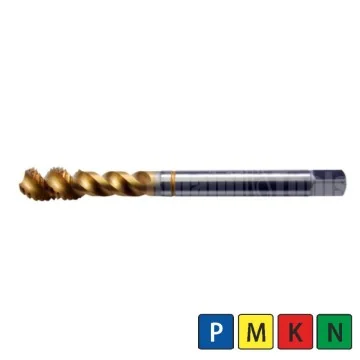
HSS-E-Tap blind hole, metric 60°
Technical data
| Tap Type | HSS-E |
| Hole | Blind Hole |
| Thread | Metric |
| Workpiece Materials | Steel, Stainless Steel, Cast Iron, NF-Materials |
| Flank Angle | 60° |
| Packaging unit | 1 Pc. |
Dimensions
| D | P | L2 | L | L4 | d | K | Kl | Z | |
| GB-S-ISO-M3-HSS-E-TIN | M3 | 0,5 | 6 | 56 | 18 | 3,5 | 2,7 | 6 | 3 |
| GB-S-ISO-M4-HSS-E-TIN | M4 | 0,7 | 7 | 63 | 21 | 4,5 | 3,4 | 6 | 3 |
| GB-S-ISO-M5-HSS-E-TIN | M5 | 0,8 | 8 | 70 | 25 | 6 | 4,9 | 8 | 3 |
| GB-S-ISO-M6-HSS-E-TIN | M6 | 1 | 10 | 80 | 30 | 6 | 4,9 | 8 | 3 |
| GB-S-ISO-M8-HSS-E-TIN | M8 | 1,25 | 13 | 90 | 35 | 8 | 6,2 | 9 | 3 |
| GB-S-ISO-M10-HSS-E-TIN | M10 | 1,5 | 15 | 100 | 39 | 10 | 8 | 11 | 3 |
| GB-S-ISO-M12-HSS-E-TIN | M12 | 1,75 | 18 | 110 | 44 | 9 | 7 | 10 | 3 |
| GB-S-ISO-M16-HSS-E-TIN | M16 | 2 | 20 | 110 | 44 | 12 | 9 | 12 | 3 |
| GB-S-ISO-M20-HSS-E-TIN | M20 | 2,5 | 25 | 140 | 54 | 16 | 12 | 15 | 4 |
| GB-S-ISO-M24-HSS-E-TIN | M24 | 3 | 30 | 160 | 60 | 18 | 14.5 | 17 | 4 |
| GB-S-ISO-M30-HSS-E-TIN | M30 | 3,5 | 35 | 180 | 70 | 22 | 18 | 21 | 4 |
Precision threading tool for reliable blind hole machining
The HSS-E-Tap blind hole, metric 60° is designed specifically for the reliable production of metric internal threads in holes with limited depth. With its high-performance TiN coating and optimized upward chip evacuation, the tool supports efficient machining cycles in professional applications.
Advantages of HSS-E-Tap blind hole, metric 60°
- Suitable for steel, stainless steel, cast iron, and NF-metals
- Titanium nitride (TiN) coating reduces wear during operation
- Resistant cutting material made of tough HSS-E
- Reliable chip evacuation when threading blind holes
- Compact packaging unit (1 Pc.)
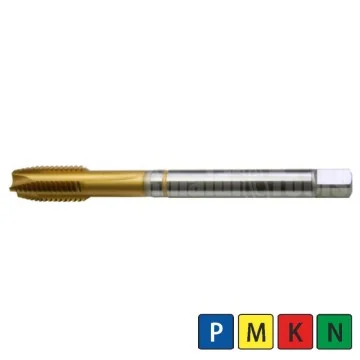
HSS-E-Tap through hole, metric 60°
Technical data
| Tap Typ | HSS-E |
| Hole | Trough Hole |
| Thread | Metric |
| Materials | Steel, Stainless Steel, Cast Iron, NF-Materials |
| Flank Angle | 60° |
| Packaging unit | 1 Pc. |
Dimensions
| Thread/D | P | L2 | L | L4 | d | Z | K | Kl | |
| GB-D-ISO-M3-HSS-E-TIN | M3 | 0,5 | 11 | 56 | 18 | 3,5 | 3 | 2,7 | 6 |
| GB-D-ISO-M4-HSS-E-TIN | M4 | 0,7 | 13 | 63 | 21 | 4,5 | 3 | 3,4 | 6 |
| GB-D-ISO-M5-HSS-E-TIN | M5 | 0,8 | 15 | 70 | 25 | 6 | 3 | 4,9 | 8 |
| GB-D-ISO-M6-HSS-E-TIN | M6 | 1 | 17 | 80 | 30 | 6 | 3 | 4,9 | 8 |
| GB-D-ISO-M8-HSS-E-TIN | M8 | 1,25 | 20 | 90 | 35 | 8 | 3 | 6,2 | 9 |
| GB-D-ISO-M10-HSS-E-TIN | M10 | 1,5 | 22 | 100 | 39 | 10 | 3 | 8 | 11 |
| GB-D-ISO-M12-HSS-E-TIN | M12 | 1,75 | 24 | 110 | 44 | 9 | 3 | 7 | 10 |
| GB-D-ISO-M16-HSS-E-TIN | M16 | 2 | 27 | 110 | 44 | 12 | 3 | 9 | 12 |
| GB-D-ISO-M20-HSS-E-TIN | M20 | 2,5 | 32 | 140 | 54 | 16 | 4 | 12 | 15 |
| GB-D-ISO-M24-HSS-E-TIN | M24 | 3 | 34 | 160 | 60 | 18 | 4 | 14,5 | 17 |
| GB-D-ISO-M30-HSS-E-TIN | M30 | 3,5 | 40 | 180 | 70 | 22 | 4 | 18 | 21 |
High-performance thread tap for through holes
The HSS-E thread tap for through holes with a 60° flank angle and TiN coating provides excellent machining capabilities. It is specifically designed for precisely cutting metric threads in various materials.
Advantages of HSS-E-Tap through hole, metric 60°
- HSS-E material for reliable thread cutting
- TiN coating supports efficient workflows
- Universally suitable for steel, stainless steel, cast iron, and NF-metals
- Optimized for threading through holes
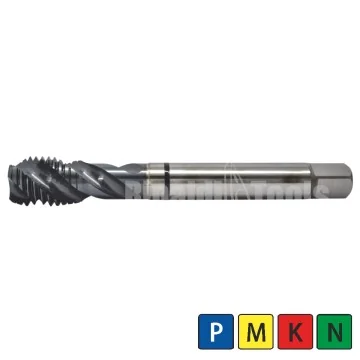
HSS-PM-Tap, blind hole, metric 60°
Technical data
| Tap Type | HSS-PM |
| Hole | Blind Hole |
| Thread | Metric |
| Materials | Steel, Stainless Steel, Cast Iron and NF-Materials |
| Flank Angle | 60° |
| Packaging unit | 1 Pc. |
Dimensions
| Thread/D | P | L2 | L | L4 | d | K | Kl | Z | |
| GB-S-M2-HSS-PM-TiALN | M2 | 0,4 | 3,2 | 45 | 13 | 2,8 | 2,1 | 5 | 2 |
| GB-S-M2,5-HSS-PM-TiALN | M2,5 | 0,45 | 3,6 | 50 | 15 | 2,8 | 2,1 | 5 | 2 |
| GB-S-M3-HSS-PM-TiALN | M3 | 0,5 | 4 | 56 | 18 | 3,5 | 2,7 | 6 | 3 |
| GB-S-M3,5-HSS-PM-TiALN | M3,5 | 0,6 | 4,8 | 56 | 20 | 4 | 3 | 6 | 3 |
| GB-S-M4-HSS-PM-TiALN | M4 | 0,7 | 5,6 | 63 | 21 | 4,5 | 3,4 | 6 | 3 |
| GB-S-M5-HSS-PM-TiALN | M5 | 0,8 | 6,4 | 70 | 25 | 6 | 4,9 | 8 | 3 |
| GB-S-M6-HSS-PM-TiALN | M6 | 1 | 8 | 80 | 30 | 6 | 4,9 | 8 | 3 |
| GB-S-M8-HSS-PM-TiALN | M8 | 1,25 | 13 | 90 | 35 | 8 | 6,2 | 9 | 3 |
| GB-S-M10-HSS-PM-TiALN | M10 | 1,5 | 15 | 100 | 39 | 10 | 8 | 11 | 3 |
| GB-S-M12-HSS-PM-TiALN | M12 | 1,75 | 18 | 110 | 44 | 9,0 | 7 | 10 | 3 |
| GB-S-M14-HSS-PM-TiALN | M14 | 2 | 20 | 110 | 44 | 11 | 9 | 12 | 3 |
| GB-S-M16-HSS-PM-TiALN | M16 | 2 | 20 | 110 | 44 | 12 | 9 | 12 | 3 |
| GB-S-M18-HSS-PM-TiALN | M18 | 2,5 | 25 | 125 | 50 | 14 | 11 | 14 | 4 |
| GB-S-M20-HSS-PM-TiALN | M20 | 2,5 | 25 | 140 | 54 | 16 | 12 | 15 | 4 |
| GB-S-M22-HSS-PM-TiALN | M22 | 2,5 | 25 | 140 | 54 | 18 | 14,5 | 17 | 4 |
| GB-S-M24-HSS-PM-TiALN | M24 | 3 | 30 | 160 | 60 | 18 | 14,5 | 17 | 4 |
High-performance HSS-PM tap for blind holes
This TiAlN-coated HSS-PM tap is specifically engineered for the reliable and process-safe production of metric internal threads in blind holes. The powder-metallurgical high-speed steel ensures excellent dimensional stability and outstanding wear resistance in demanding workpiece materials.
Advantages of HSS-PM blind hole taps
- Powder-metallurgical substrate for high mechanical resilience
- Wear-resistant TiAlN coating for demanding machining operations
- Optimized geometry for secure chip evacuation in blind holes
- Broad application range from steel and stainless steel to cast iron and non-ferrous metals
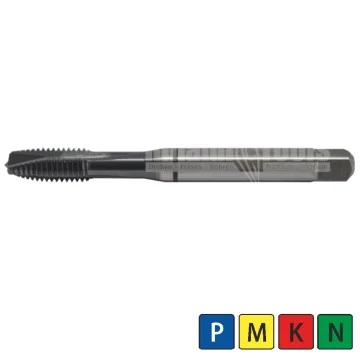
HSS-PM-Tap through hole, metric 60°
Technical data
| Tap Typ | HSS-PM |
| Hole | Trough Hole |
| Thread | Metric |
| Materials | Steel, Stainless Steel, Cast Iron and NF-Materials |
| Flank Angle | 60° |
| Packaging unit | 1 Pc. |
Dimensions
| Thread/D | P | L2 | L | L4 | d | Z | K | Kl | |
| GB-D-M2-HSS-PM-TiALN | M2 | 0,4 | 8 | 45 | 13 | 2,8 | 2 | 2,1 | 5 |
| GB-D-M2,5-HSS-PM-TiALN | M2,5 | 0,45 | 9 | 50 | 15 | 2,8 | 2 | 2,1 | 5 |
| GB-D-M3-HSS-PM-TiALN | M3 | 0,5 | 11 | 56 | 18 | 3,5 | 3 | 2,7 | 6 |
| GB-D-M3,5-HSS-PM-TiALN | M3,5 | 0,6 | 12 | 56 | 20 | 4 | 3 | 3 | 6 |
| GB-D-M4-HSS-PM-TiALN | M4 | 0,7 | 13 | 63 | 21 | 4,5 | 3 | 3,4 | 6 |
| GB-D-M5-HSS-PM-TiALN | M5 | 0,8 | 15 | 70 | 25 | 6 | 3 | 4,9 | 8 |
| GB-D-M6-HSS-PM-TiALN | M6 | 1 | 17 | 80 | 30 | 6 | 3 | 4,9 | 8 |
| GB-D-M8-HSS-PM-TiALN | M8 | 1,25 | 20 | 90 | 35 | 8 | 3 | 6,2 | 9 |
| GB-D-M10-HSS-PM-TiALN | M10 | 1,5 | 22 | 100 | 39 | 10 | 3 | 8 | 11 |
| GB-D-M12-HSS-PM-TiALN | M12 | 1,75 | 24 | 110 | 44 | 9 | 3 | 7 | 10 |
| GB-D-M14-HSS-PM-TiALN | M14 | 2 | 26 | 110 | 44 | 11 | 3 | 9 | 12 |
| GB-D-M16-HSS-PM-TiALN | M16 | 2 | 27 | 110 | 44 | 12 | 3 | 9 | 12 |
| GB-D-M18-HSS-PM-TiALN | M18 | 2,5 | 30 | 125 | 50 | 14 | 3 | 11 | 14 |
| GB-D-M20-HSS-PM-TiALN | M20 | 2,5 | 32 | 140 | 54 | 16 | 3 | 12 | 15 |
| GB-D-M22-HSS-PM-TiALN | M22 | 2,5 | 32 | 140 | 54 | 18 | 3 | 14,5 | 17 |
| GB-D-M24-HSS-PM-TiALN | M24 | 3 | 34 | 160 | 60 | 18 | 3 | 14,5 | 17 |
High-performance tap for precise through holes
The HSS-PM tap with a 60° flank angle is specifically designed for the reliable production of metric through threads. Featuring a powder-metallurgical high-speed steel construction and a durable TiAlN coating, this cutting tool supports professional users in machining a wide variety of industrial materials. The well-thought-out geometry ensures efficient chip evacuation in the cutting direction to prevent blockages in the thread channel.
Advantages of HSS-PM-Tap through hole
- Powder-metallurgical HSS-PM material for distinct wear resistance
- Proven TiAlN coating protects against thermal stress
- Downward chip evacuation tailored for threading in through holes
- Versatile application in steel, stainless steel, cast iron, and non-ferrous metals
- Available in 16 metric variants from M2 to M24
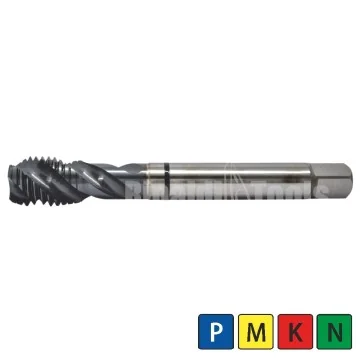
HSS-PM-Tap blind hole, metric 60°, fine thread
Technical data
| Tap Typ | HSS-PM |
| Hole | Blind Hole |
| Thread | Metric, Fine thread |
| Materials | Steel, Stainless Steel, Cast Iron and NF-Materials |
| Flank Angle | 60° |
| Packaging unit | 1 Pc. |
Wear-resistant HSS-PM tap for precise blind hole threads
This high-performance tap made of powder-metallurgical high-speed steel (HSS-PM) is specifically designed for the precise production of metric fine threads in blind holes. Thanks to its high edge stability and toughness, the cutting tool supports efficient and highly reliable machining processes in professional metalworking environments.
Advantages of HSS-PM-Tap blind hole, metric 60°, fine thread
- Suitable for the reliable machining of steel, stainless steel, cast iron, and NF-materials
- Uniform and fine-grained micro-structure thanks to HSS-PM technology
- Dimensionally accurate thread production with an exact 60° flank angle
- Adapted flute geometry ensures secure chip evacuation out of the blind hole
- Extended tool life and high thermal stability provided by the TiAlN coating
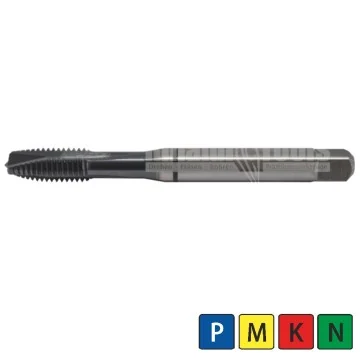
HSS-PM-Tap through hole, metric 60°, fine thread
Technical data
| Tap Typ | HSS-PM |
| Hole | Trough Hole |
| Thread | Metric, Fine Thread |
| Materials | Steel, Stainless Steel, Cast Iron and NF-Materials |
| Flank Angle | 60° |
| Packaging unit | 1 Pc. |
Precise Thread Cutting for Through Holes
The HSS-PM tap for metric fine threads with a 60° flank angle is designed for reliable machining of through holes. Thanks to its powder metallurgy manufacturing and TiALN coating, this tool provides high wear resistance and excellent edge stability for demanding cutting tasks.
Advantages of the HSS-PM Tap
- High toughness due to powder metallurgy high-speed steel (HSS-PM)
- Performance-enhancing TiALN coating for extended tool life
- Flexible use in steel, stainless steel, cast iron, and non-ferrous metals
- Precise forming of 60° metric fine threads in through holes